May your jade palatial home be honoured and full of riches
玉堂富贵
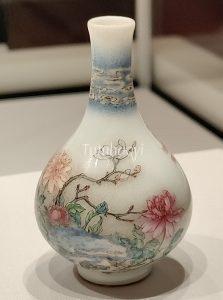
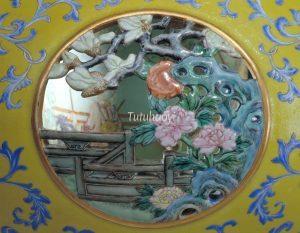
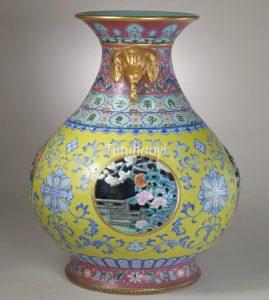
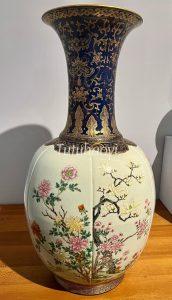
© Tutuhaoyi.com owns the copyright of the description content for the images attached. Quoting all or part of the description content on this page is permitted ONLY IF ‘Tutuhaoyi.com’ is clearly acknowledged anywhere your quote is produced unless stated otherwise. (本页描述内容版权归Tutuhaoyi.com所有,转发或引用需注明 “Tutuhaoyi.com”, 侵权必究, 已注开源信息的条目除外。)
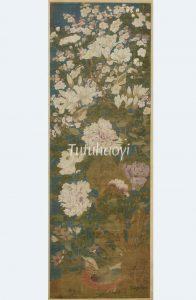
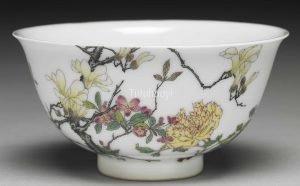
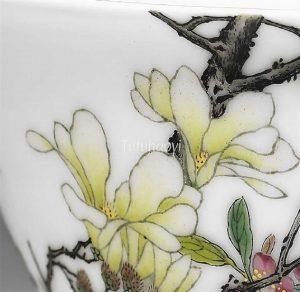
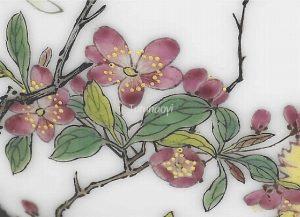
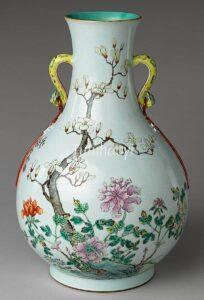
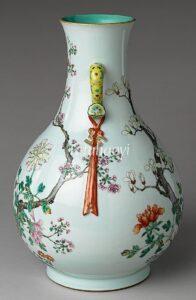
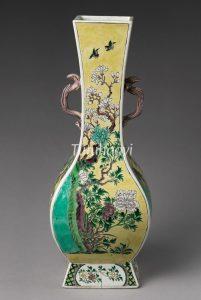
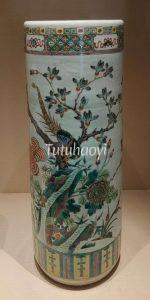
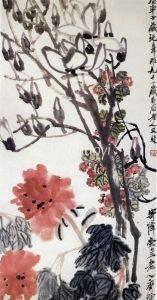
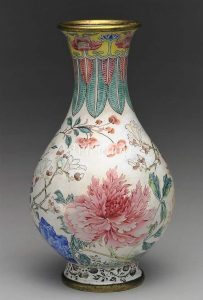
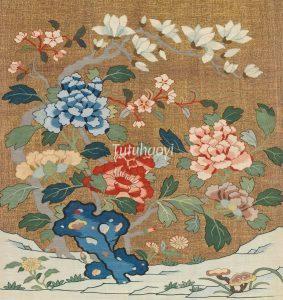
The character ‘yu 玉’ in ‘yulan hua 玉兰花’ for ‘magnolia’ is the same ‘yu 玉’ for ‘jade’. The word ‘tang 棠’ from ‘haitang hua 海棠花’ for ‘crabapple’ is homophonic with the word ‘tang 堂’ for ‘house’. The combination of the two characters ‘yutang 玉堂’ means ‘jade house’ with connotations of being grand and palatial.
The peony flower, known in Chinese as ‘mudan hua 牡丹花’, has a nickname of ‘fugui hua 富贵花’, literally, the ‘flower of wealth and prestige’.
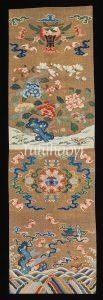
Therefore, a composition of blooms of magnolia, crabapple, and peony can be used to convey the auspicious wish of ‘May your jade palatial home be honoured and full of riches!’
Related Pun Pictures:
May your household be piled high with gold and jade 金玉满堂
May your splendid house be filled with wealth and prestige 锦堂富贵
Fig 1: 玉堂富貴图, hanging scroll, ink and colour on paper, attributed to Xu Xi (徐熙 886–975), courtesy of the National Palace Museum, Taipei
Fig 2: copper vase with enamelled decoration, Kangxi period (1662–1722), Qing dynasty, courtesy of the National Palace Museum, Taipei
Fig 3-4: chair strip made of tapestry-woven (kesi) silk and metallic thread, 18th century, courtesy of the Metropolitan Museum of Art, New York, Accession Number: 65.210.1
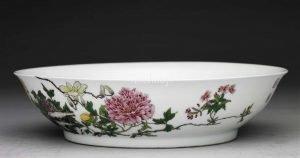
Fig 5-7: porcelain bowl with enamelled decoration, Yongzheng period (1723–35), Qing dynasty, courtesy of the National Palace Museum, Taipei
Fig 8: porcelain dish with enamelled decoration, Yongzheng period (1723–35), Qing dynasty, courtesy of the National Palace Museum, Taipei
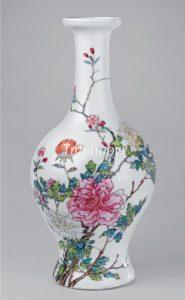
Fig 9: famille rose porcelain vase, Yongzheng period (1723–35), Qing dynasty, courtesy of the Palace Museum, Beijing
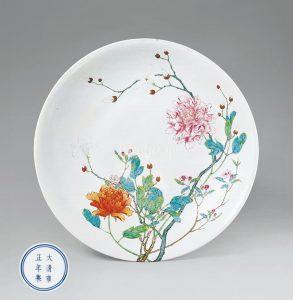
Fig 10: famille rose porcelain dish, Yongzheng period (1723–35), Qing dynasty, courtesy of the Palace Museum, Beijing
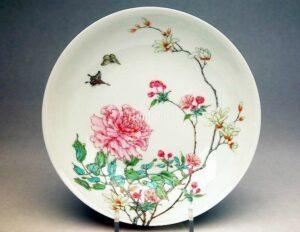
Fig 11: famille rose porcelain dish, Yongzheng period (1723–35), Qing dynasty, courtesy of the Museum of Far Eastern Antiquities, Stockholm, OM 1977-0138
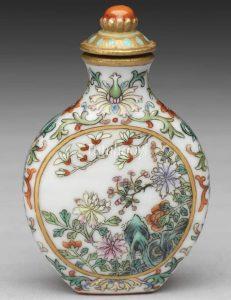
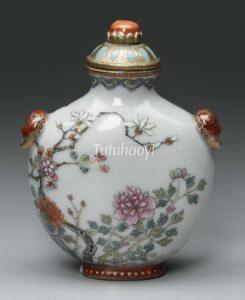
Fig 12: famille rose porcelain snuff-bottle, Qianlong period (1736–95), Qing dynasty, courtesy of the National Palace Museum, Taipei
Fig 13: famille rose porcelain snuff-bottle, Qianlong period (1736–95), Qing dynasty, courtesy of the Museum of Fine Arts, Boston
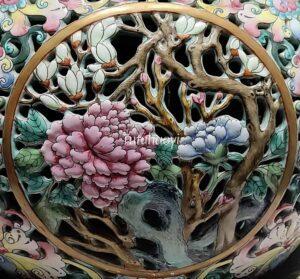
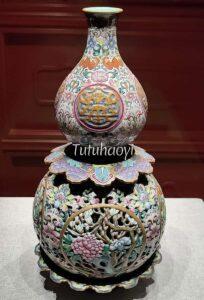
Fig 14-15: famille rose openwork porcelain vase, Qianlong period (1736–95), Qing dynasty, courtesy of the Palace Museum, Beijing; photography by Rachel Ma
Fig 16: porcelain vase with enamelled decoration, Qianlong period (1736–95), Qing dynasty, courtesy of the Palace Museum, Beijing; photography by Rachel Ma
Fig 17-18: famille rose openwork porcelain vase, Qianlong period (1736–95), Qing dynasty, courtesy of the Palace Museum, Beijing; photography by Rachel Ma
Fig 19: famille rose porcelain vase, Qianlong period (1736–95), Qing dynasty, courtesy of Musee national des arts asiatiques – Guimet; photography by Robert Bradlow
Fig 20-21: famille rose porcelain vase, Qianlong period (1736–95), Qing dynasty, courtesy of the Metropolitan Museum of Art, New York, Accession Number: 14.40.89
Fig 22: porcelain vase with overglaze enamelled decoration, 18th -19th century, courtesy of the Metropolitan Museum of Art, New York
Fig 23: famille verte pastel cap tube, Qing dynasty (1644–1911), courtesy of Gao’an Museum, Jiangxi Province, China; photography by Rachel Ma
Fig 24: 玉堂富贵图, hanging scroll, ink and colour on paper, by Qi Baishi (齐白石 1864–1957), 1936, courtesy of the National Art Museum of China